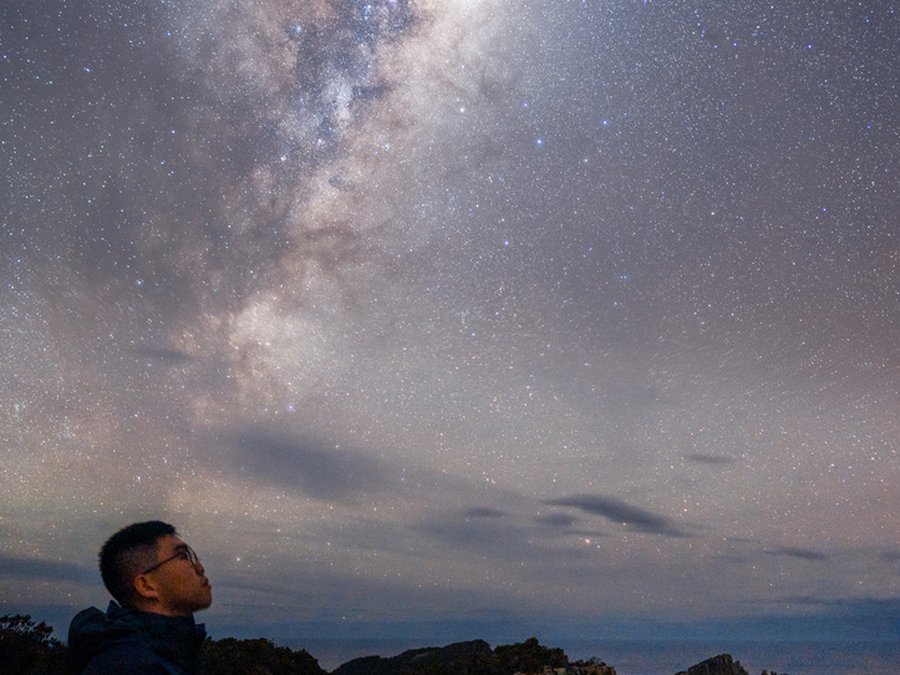
About Me

I am an oceanographer interested in ocean biogeochemical cycles, from biophysical interactions to their impacts on primary production and the ocean carbon cycle, with a particular focus on the Southern Ocean. My research integrates multiple observing platforms, including shipboard hydrography, moorings, satellite observations, and Biogeochemical-Argo (BGC-Argo) floats, to understand and quantify changes in Southern Ocean carbon uptake. Ultimately, I aim to use these observational constraints to help inform and improve ocean biogeochemical models.

My current research focuses on using observations from the BGC-Argo float array together with the Biogeochemical Southern Ocean State Estimate (B-SOSE) to investigate the role of Antarctic Winter Water in the Southern Ocean carbon cycle and its interactions with recent sea-ice change.

I received my PhD in 2026 from the University of Tasmania through a joint program with the CSIRO. Before that, I completed a first-class Honours degree at the University of Tasmania in 2022. In November 2025, I joined the GATO group at the Georgia Institute of Technology, where I work with Professor Lilian Dove to continue exploring the Southern Ocean.

Besides Work

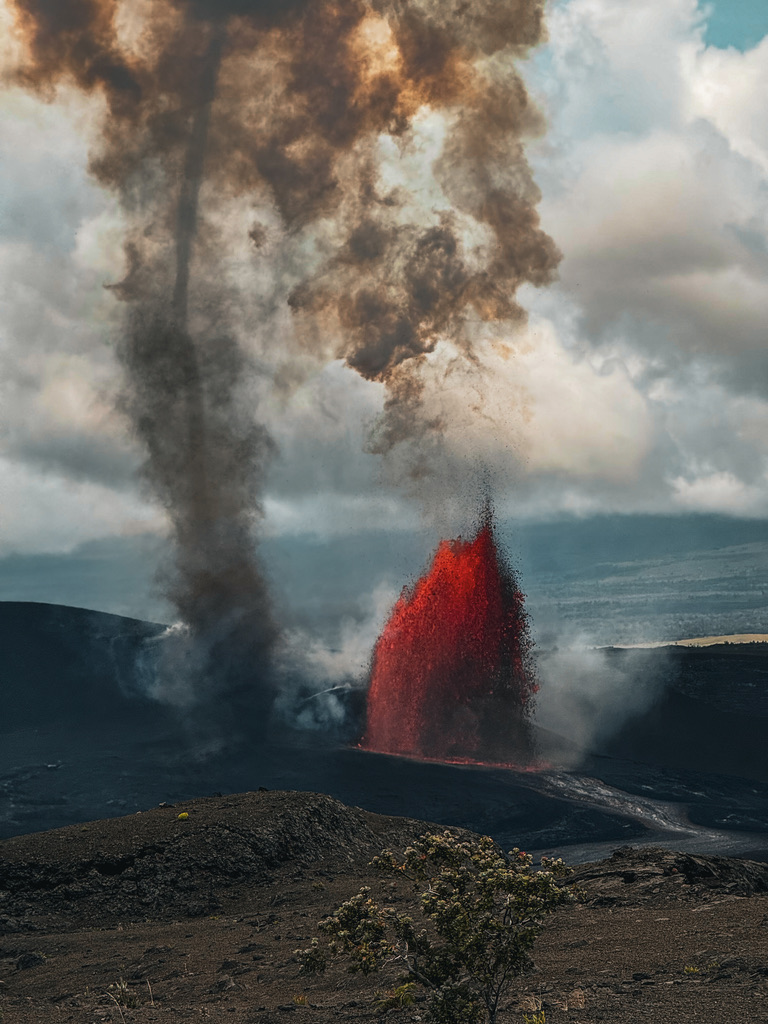
I enjoy spending time outdoors and getting closer to nature. Hiking and camping are among my favorite ways to step away from the noise of daily life, slow down, and reconnect with the landscapes around me. I also enjoy outdoor photography, using my camera to document the places I have visited and the scenes I have been lucky enough to witness in person; I am considering creating a dedicated travel photo gallery for these experiences.

Recently, I have also started exploring new activities such as rock climbing, bouldering, surfing, and diving, all of which have been exciting ways to challenge myself and experience nature from different perspectives. Beyond outdoor adventures, I maintain a regular strength-training routine, as I believe a stronger and healthier body helps me work better and enjoy life.

Having lived for extended periods across three continents, I feel fortunate to have experienced different places, cultures, and ways of life, and I look forward to continuing this exploration in the future.

Part of the photos I loved
Research Interests

My research interests include:

  • Antarctic Winter Water and water-mass transformation: I am interested in how Antarctic Winter Water (WW) forms, evolves, and influences subsurface biogeochemical inventories. My current research uses BGC-Argo float observations and BSOSE to decompose the interactions between the recent Antarctic sea-ice decline and WW variability. I examine how changes in WW may affect ocean primary production and air–sea CO₂ fluxes within the sea-ice zone and potentially at lower latitudes. I am also interested in quantifying the dissolved inorganic carbon (DIC) budget within the WW layer and its interannual variability, particularly in response to sea-ice changes and interactions with Circumpolar Deep Water (CDW). More broadly, my research investigates how mixing, entrainment, and water-mass transformation connect surface forcing, sea-ice variability, and subsurface carbon storage.
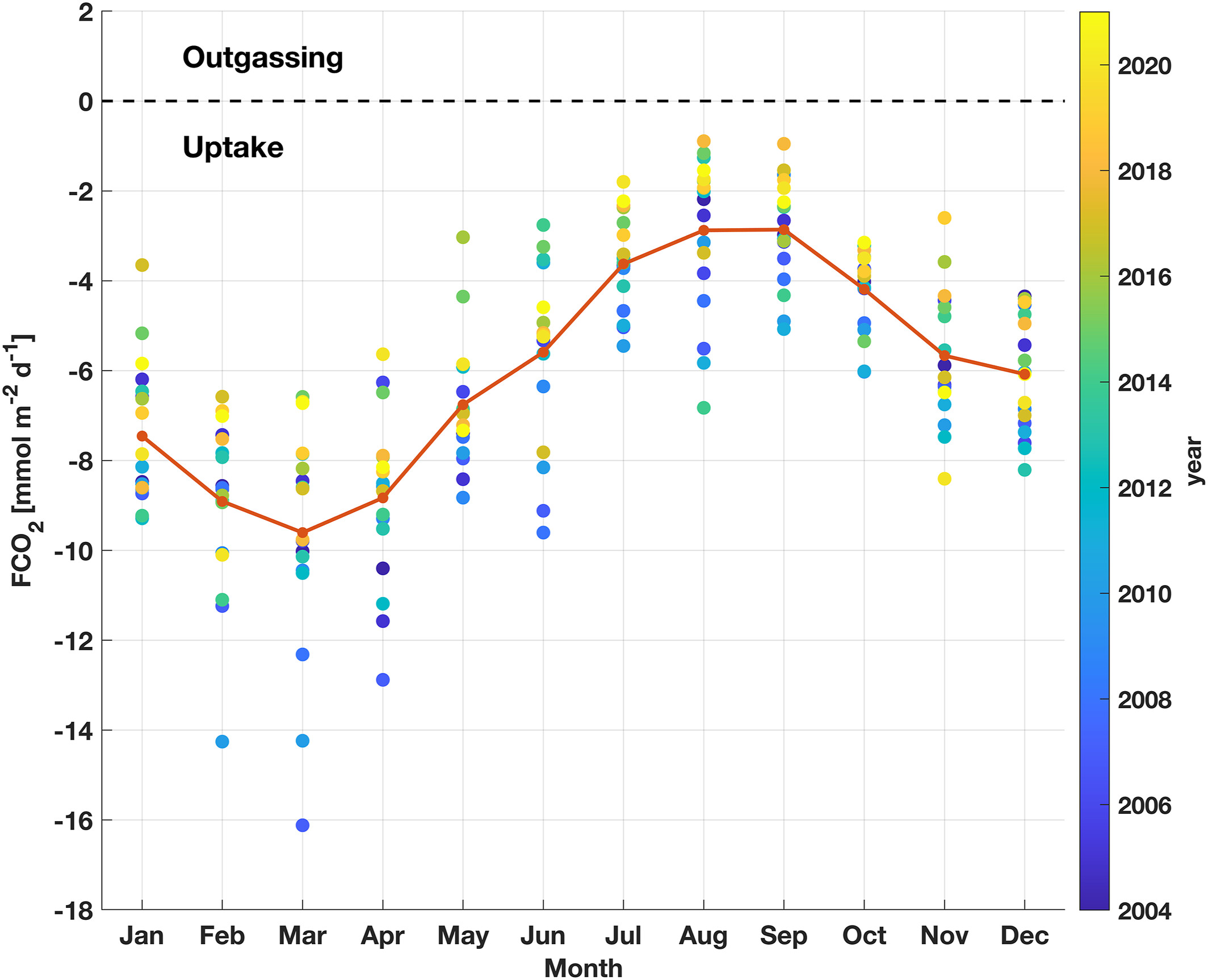
  • Southern Ocean carbon cycling and air–sea CO₂ exchange: I am broadly interested in how physical and biogeochemical processes regulate carbon uptake, storage, and air–sea exchange in the Southern Ocean, and in quantifying their long-term changes and interannual variability. During my Honours research, I used CTD hydrographic profiles and satellite observations to examine spring bloom dynamics associated with Polar Front instability and mesoscale eddies (Yang et al., 2022, JGR: Oceans). During my PhD, I expanded this work by integrating observations from BGC-Argo floats, moorings, ship-based measurements, and satellites to investigate marine biogeochemical cycles. Through these works, I developed strong experience in analysing large interdisciplinary datasets to quantify air–sea CO₂ fluxes, primary productivity, and organic carbon export. My research has identified the dominant role of biological processes in regulating CO₂ uptake south of Australia and highlighted the importance of mesoscale variability relative to basin-scale climate modes (Yang et al., 2024a, Global Biogeochemical Cycles).
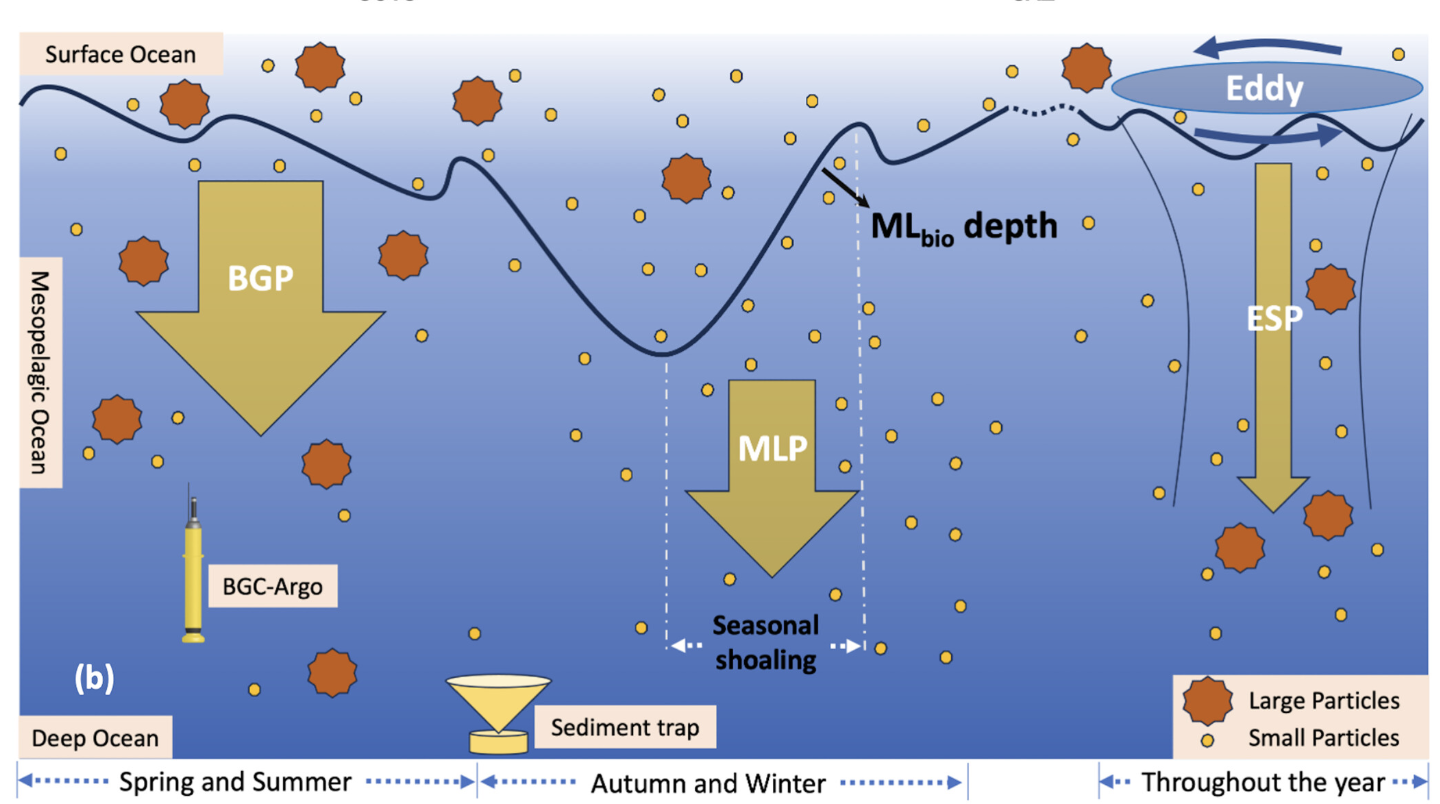
  • Carbon export and biological carbon pump processes: I investigate how biological production and particle export regulate the efficiency of the biological carbon pump. My work uses BGC-Argo observations, including optical backscatter, chlorophyll, and oxygen-based approaches, to quantify multiple pathways of particulate organic carbon (POC) export in the Subantarctic Zone to Southwest Australia. These pathways include the gravitational pump, the mixed-layer pump (associated with seasonal changes in the mixed-layer), and the eddy subduction pump (Yang et al., 2024b, Global Biogeochemical Cycles). This research is the first work to strictly combine float-based estimates of carbon export and co-located sediment trap records. By combining optical and oxygen-based methods, we have better constrained regional variability in POC export and improved our understanding of how the biological carbon pump contributes to regional and global ocean carbon budgets.
  • Sea-ice variability and physical–biogeochemical interactions: I examine how sea-ice retreat influences biogeochemical variability in the seasonal sea-ice zone. Recent dramatic declines in Antarctic sea ice have the potential to strongly affect regional primary production, air–sea CO₂ exchange, and carbon cycling. In the final chapter of my PhD thesis, I used machine-learning approaches to enhance BGC-Argo-based estimates of surface pCO₂ in the Weddell Gyre. Using this improved dataset, I showed that earlier sea-ice retreat can extend the productive season by advancing the onset and peak of phytoplankton phenology, thereby enhancing oceanic carbon uptake in the Weddell Gyre (Yang et al., 2025, under review). This work has motivated my broader interest in understanding the coupled physical and biogeochemical processes that regulate carbon cycling in the Antarctic seasonal sea-ice zone, particularly under ongoing changes in sea-ice extent and timing.

Featured Publications

All publications →

Fieldwork

FOCUS voyage →

Photography Gallery

Open gallery →